#SpotIt
Report a Spot
Found a mess on public land? Say what you saw and where. Marking it is a complete and useful act, even if you can’t haul it out.
#WhatYouSaw
Send a report
A few plain answers and whatever you have on your phone. Rough is fine. A coordinator reviews each report before it appears on the map. It is not a cleanup assignment, and it doesn’t put you on the hook to do the work.
Heading out of coverage? Open the field app to save reports on your phone and send them later.
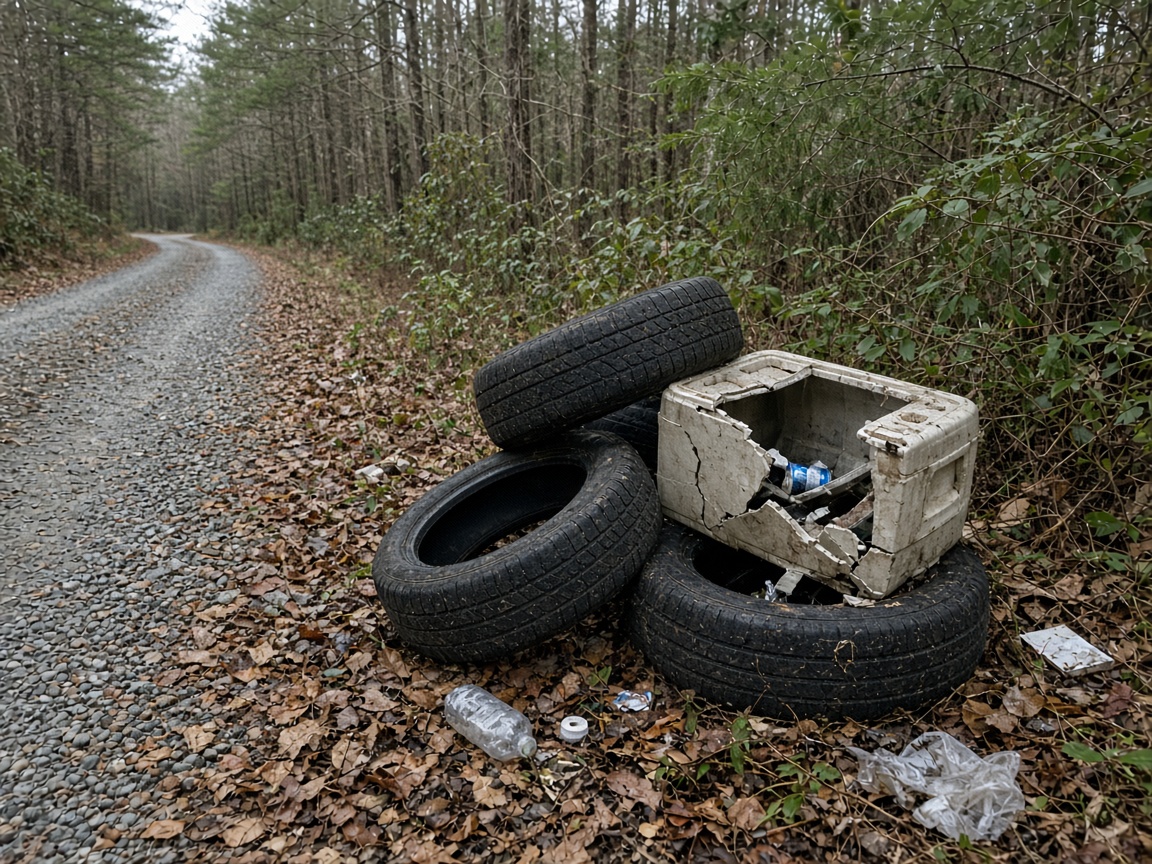
What a report covers
#BeforeYouTouchIt
Seeing it and moving it are different things
Pack-Out Spot keeps three questions apart: what did you see, what action fits, and who is allowed to take it. You only have to answer the first.
Ordinary litter
Picking up everyday trash is often something a visitor can do. If it is safe and you have room, pack it out, then tell us it is done.
Needs permission
Abandoned property, cutting trees, changing a trail, or disturbing habitat can require authorization or trained people. Report it and leave it where it is.
Hazards and emergencies
Pack-Out Spot does not replace emergency services or official hazard reporting. In an emergency, call 911. Don’t handle hazardous waste.
#GoodQuestions
Before you report
Do I have to clean up what I report?
No. The person who reports a Spot is not automatically the person who cleans it. Some Spots are a ten-minute job for whoever finds them. Others need a crew, a trailer, or permission.
What if I don’t know exactly where it was?
Report it anyway. A landmark, a stretch of road, or a description of how you got there is enough to start. Whoever visits next can tighten up the location.
What happens after I send a report?
It waits in a queue until a coordinator reviews it. They check for a report of the same mess, decide how precisely the location should be shown, and publish it to the map.
Do I need to be a CampDads member?
No. Pack-Out Spot was founded by CampDads TrailTeams and is open to everyone.
Is this an official way to report to the Forest Service or the BLM?
No. Pack-Out Spot is a community platform. It is not an agency reporting channel. For anything urgent or dangerous, contact the land manager or emergency services directly.
I had no signal where I found it. Now what?
Take a photo and note what you can, then send a report from this page once you’re back in coverage. People with a Pack-Out Spot account can use the field app, which saves the report on the phone, photos included, and sends it later. Signing up takes a name and an email address.
#DiscoverActImprove
See where a report goes next
A report is the first step. Here is how it becomes a finished cleanup and a record that the place is better.