#DiscoverActImprove
How it works
Discover the problem, organize the action, and document the result. Each finished cleanup makes the next one easier to see and easier to plan.
#Step1
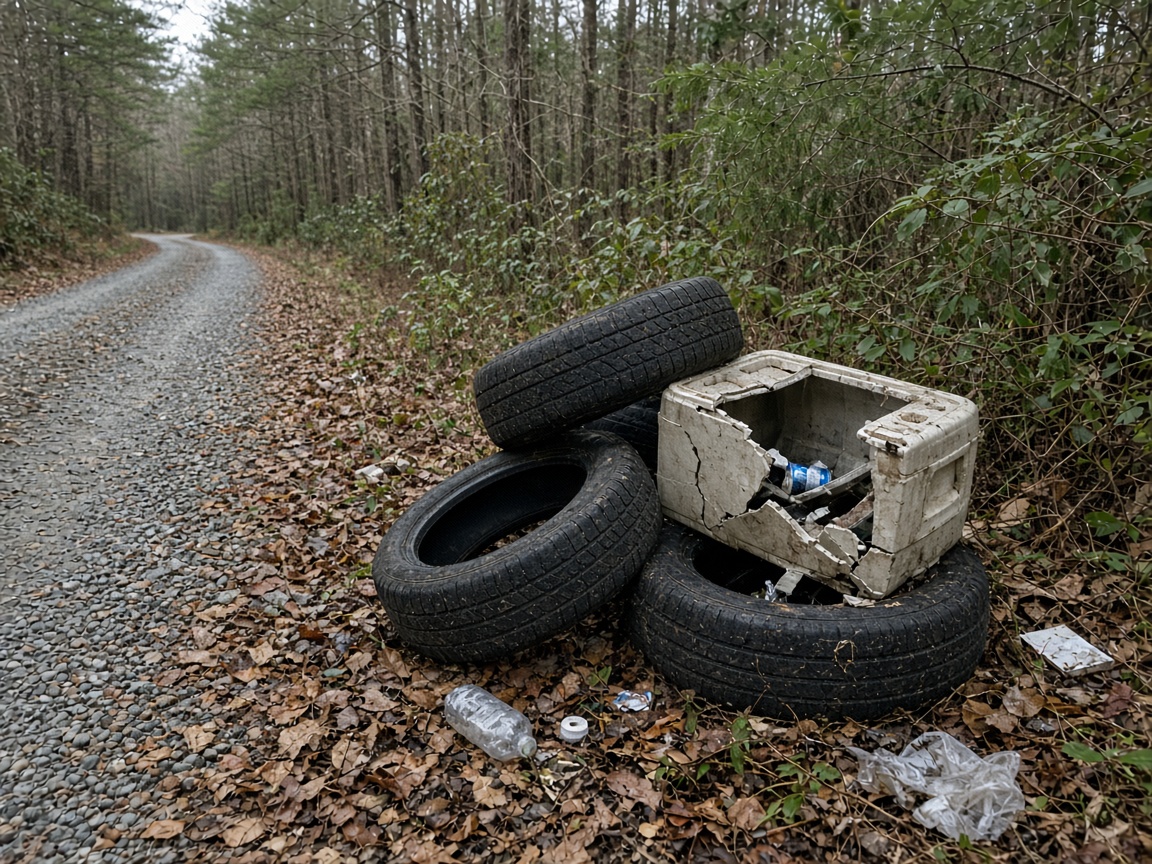
Discover
Make the need visible. Anyone can describe, photograph, and locate a place that needs attention, with or without a connection. One person’s observation becomes a shared opportunity.
#Step2
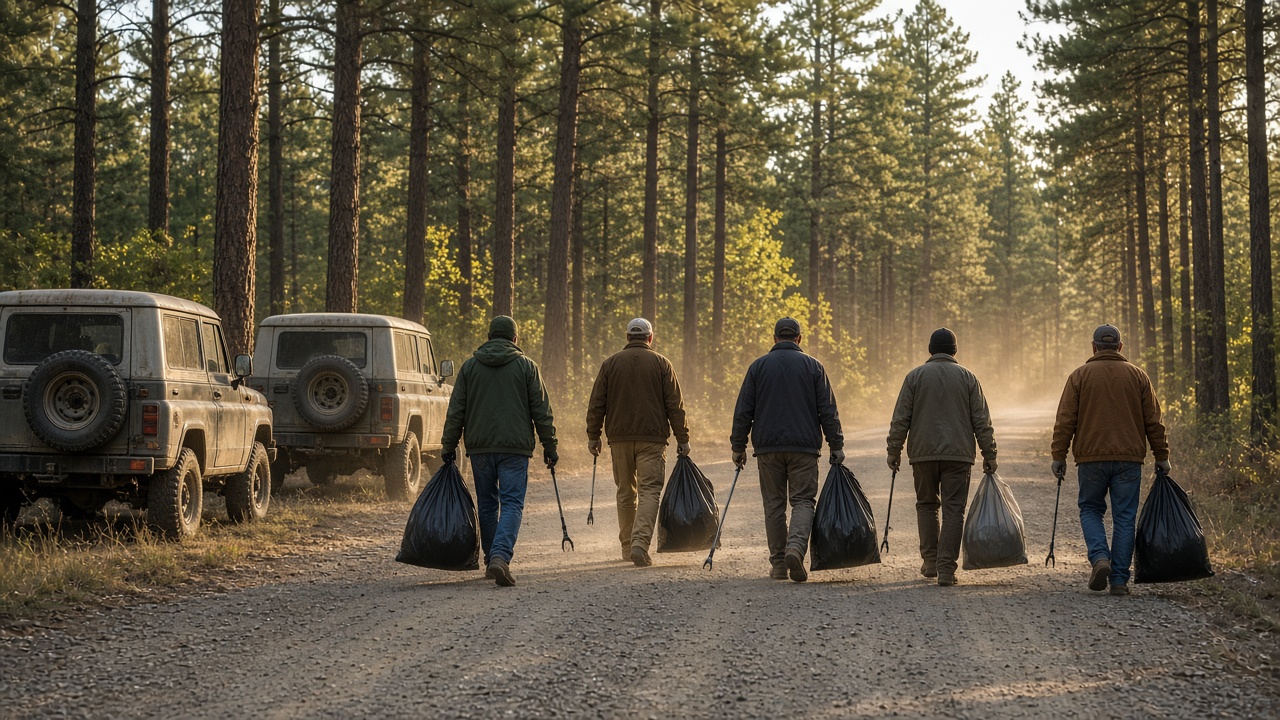
Act
Turn the opportunity into stewardship. One person can handle a Spot alone. A group can build a mission around it and bring the people and gear the job needs.
#Step3
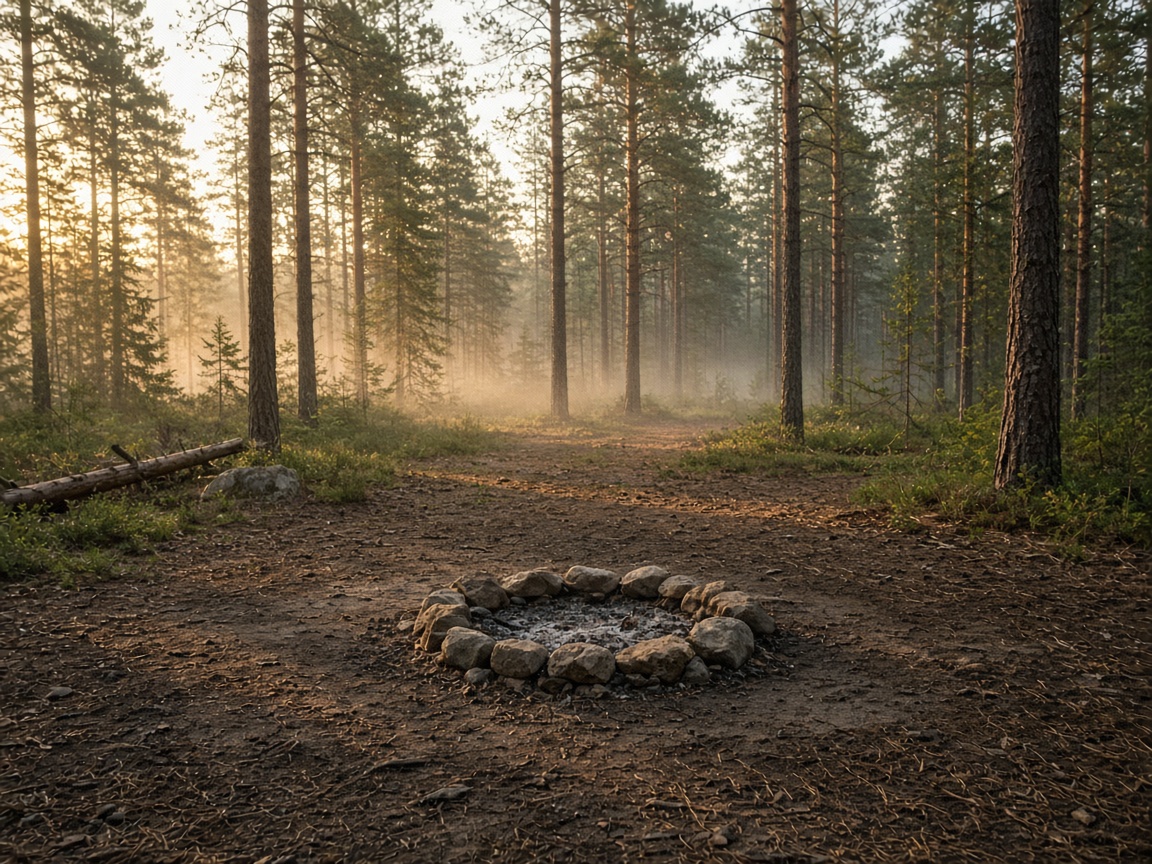
Improve
Show the difference. Before-and-after photos, completed work, and later visits demonstrate what changed and tell the next crew what still needs care.
#OneSpotStartToFinish
From a forest road to a finished record
This is the journey Pack-Out Spot was built to carry first. Everything else hangs off the same path.
1. Someone finds it
On a forest road with no signal, a driver comes across tires and construction debris.
2. They mark the Spot
Photos, a description, and whatever location they have. It saves on the phone.
3. It syncs and gets reviewed
Back in coverage the report uploads. A coordinator checks it against other reports of the same place.
4. A crew plans the work
A team’s lead confirms the removal is appropriate and builds a mission around it.
5. The work gets done
The crew hauls it out, documents it on the spot, and records who took part.
6. Someone looks again
The Spot is marked cleaned. Months later a visitor can report that it is still clear, or that the dumping came back.
#SoloOrCrew
There is more than one right way
Individual and group action count the same. Pick the one that fits the mess and the day.
Find it, pack it out
A person discovers a Spot and deals with it the same day.
Find it, mark it
A person reports a Spot and leaves the work for a crew.
Plan a mission
A team organizes one day across several Spots.
Keep watch
A team adopts a place and keeps coming back to it.
#StraightTalk
What Pack-Out Spot is not
It is a place to get work done. A few things it will stay out of.
#SpotIt
It starts with one Spot
Mark the mess you found, or see how a crew turns a list of Spots into a day’s work.