#BringYourCrew
For teams
Clubs, nonprofits, and volunteer crews are how a list of reports becomes a morning of finished work. Your group does the job, and your group gets the credit.
#Missions
A mission is a cleanup with a plan
One person can pack out a Spot without any paperwork. A Saturday that covers four dump sites deserves a plan. A mission holds everything the crew needs to agree on before the trucks roll.
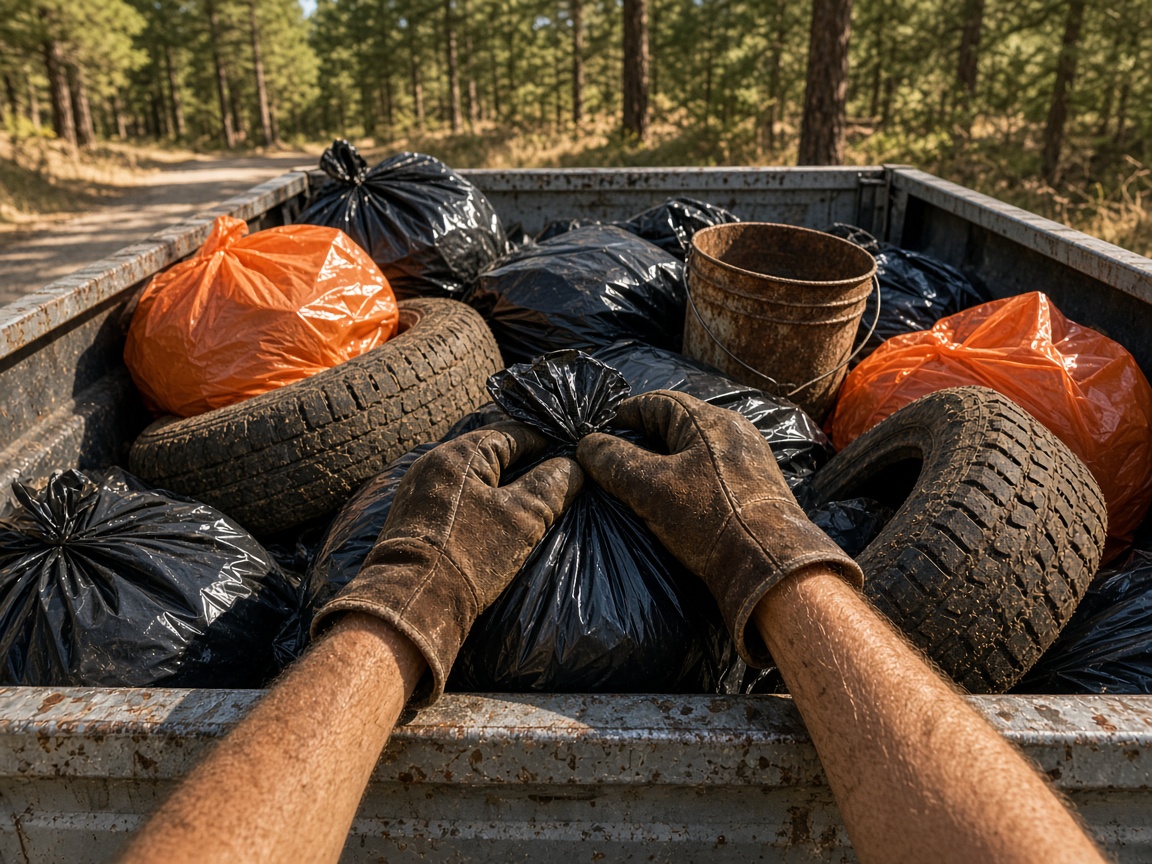
Teams are open to any group
Sign up, start a team, and send it for approval. A coordinator reviews each new team before it is listed or plans missions. While you wait you can invite your crew and set up sub-teams, sponsors, and resources.
Once the team is approved, its lead plans missions on reviewed Spots. In the field app the crew gets the plan, the exact locations, and the checklist, and can record what was done with no signal. When a Spot is cleaned, the lead records the hours, the bags and weight, and the photos taken afterward.
#RunItYourself
Run your team from one page
My teams is where a lead keeps the whole operation. Nothing there needs the WordPress dashboard.
Members and sub-teams
Invite people by email, answer requests to join, and name co-leads to share the work, and split the team into sub-teams such as chapters or trailer crews, each with its own lead and co-leads.
Campaigns and missions
A campaign is a stretch of work with one goal. It names the sub-teams taking part and groups their missions. Each mission is assigned to the sub-teams doing it, and only their people get it in the field app.
Sponsors and resources
Credit the sponsors behind a campaign or a mission with a name, a link, and a logo. Share a master agreement with the whole team, a gear list with one sub-team, or a permit with the crew of one mission.
#Teams
Teams on Pack-Out Spot
These teams chose to be listed. Each one has its own page with the campaigns and missions it decided to share, and a way to ask to join. Meeting pins, rosters, and checklists stay with the crew.
CampDads
The CampDads stewardship community: people from around the United States who love the outdoors and act to keep it clean. TrailTeams founded Pack-Out Spot and is its first team.
No missions shared yet
#YourWorkYourCredit
What a team gets out of it
Pack-Out Spot is its own name on purpose. Any group should be able to use it without feeling it has joined someone else’s program.
Credit for your work
Each group is credited for what it did. The record belongs on your team’s history, not only on the platform’s.
A record you can use
Photos, hours, and results in one place, ready for a grant report, a sponsor, a recruiting post, or a talk with a land manager.
Your details stay yours
A team controls its own volunteer and operational details. Meeting points and rosters are for the crew.
Open to any group
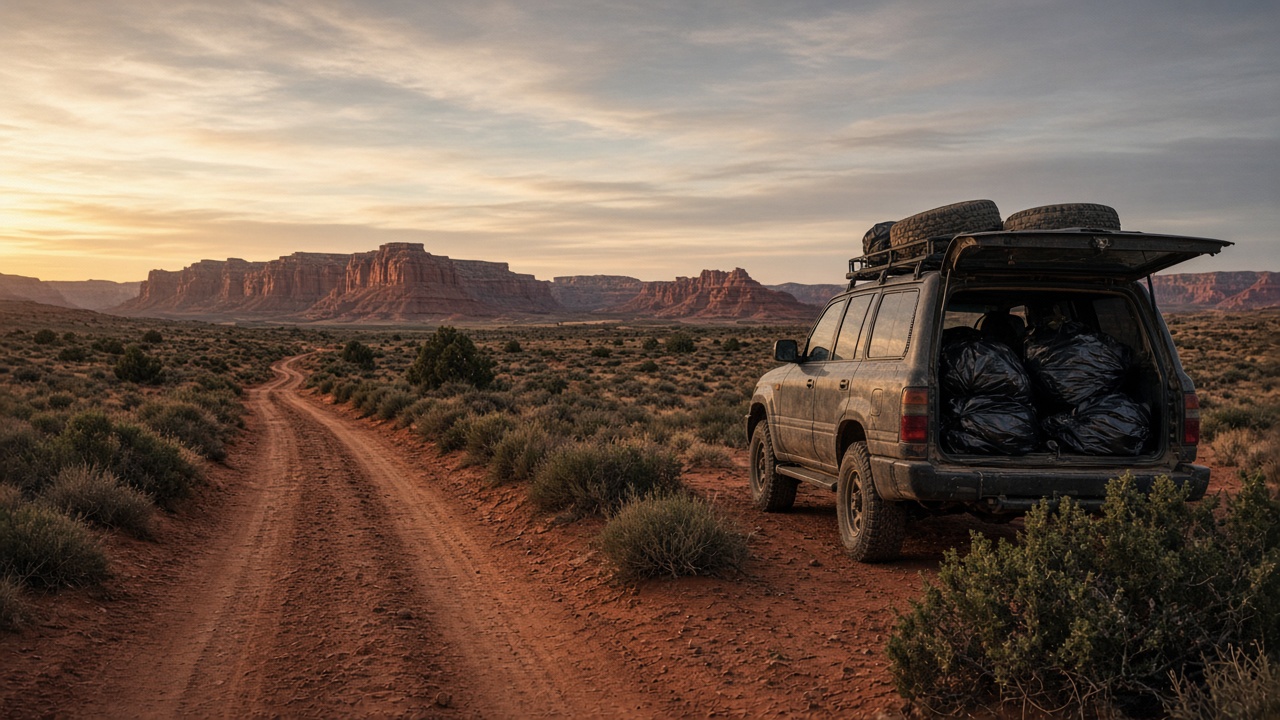
A local 4×4 club, a nonprofit, a business crew, or a volunteer group can be a team with its own profile.
#TrailTeams
CampDads TrailTeams goes first
TrailTeams is the CampDads stewardship community: people from around the United States who love the outdoors and act to keep it clean. TrailTeams founded Pack-Out Spot and is the first team on it, not the only kind.
The plan is to prove the whole journey on real TrailTeams cleanups before widening it: find a Spot, organize a mission, finish the work, and check that the improvement held.
#GoodQuestions
Questions from crews
Does our group have to join CampDads?
No. Nobody has to become a CampDads member to take part. CampDads TrailTeams is the founding team and the first to use Pack-Out Spot.
Who gets credit for a cleanup?
The group that did the work. A team’s missions and results sit on that team’s own history.
How does our group become a team?
One person signs up, opens My teams, and starts the team with a name and a few lines about what it does. A coordinator reviews it. Until then the team is not listed and cannot plan missions, and its lead can already invite the crew. Once it is approved, the lead plans campaigns and missions and decides whether the team is listed publicly.
How do people join our team?
The lead invites them by email, and they accept with the account they have or make one. A listed team can also take requests from its public page, or let anyone with an account join at once. The lead sees the name and email address of each member. Public pages show how many people a team has and name none of them.
Can more than one person lead a team?
Yes. A team has one lead and can have up to ten co-leads. The lead promotes a member or invites someone as a co-lead. A co-lead plans missions, runs campaigns, and manages members. Naming co-leads and handing the team to someone else stay with the lead. A sub-team works the same way: its lead names co-leads who can run its missions.
Where do agreements, permits, and gear lists go?
A resource is a link or a file with a note. Add it for the whole team, for one sub-team, or for one mission. A master agreement added for the team shows on every mission. A sheet added for a sub-team reaches that sub-team. A permit added for a mission reaches its crew, in My teams and in the field app. Only resources marked public appear on public pages.
What are sub-teams and campaigns for?
A sub-team is a crew inside the team with its own lead. A campaign is a goal over a stretch of time. The team’s lead assigns each mission of a campaign to one or more sub-teams. Their people get the mission in the field app, and their leads can run it.
What about work that needs permission?
Ordinary litter pickup is often something any visitor can do. Removing abandoned property, cutting trees, changing a trail, or disturbing habitat can require authorization or trained people. A coordinator can flag a Spot as needing authorization or as do-not-touch. The crew sees that flag on the mission, and the Spot cannot be marked cleaned. When the permission exists, a coordinator records a clearance: what authorizes the work and what the crew may do. The crew then sees both on the mission and can finish the Spot. Pack-Out Spot records the clearance. It does not file a permit or check one. A do-not-touch Spot is never cleared. It stays a report for the agency responsible.
Can our team adopt a place?
Yes. A Place is a standing area such as a trail, a trailhead, or a road corridor, and it keeps the history of every Spot inside it. A coordinator records that your team has adopted it. Adopting a Place is a promise to keep watching it. It transfers no ownership and none of the authority of whoever manages the land. A listed team is named on the Place’s public page, and the Place appears on the team’s page.
Can a business bring a crew?
Yes. A business crew can be a team. A business can also be credited as a sponsor of a team, a campaign, a mission, or a Place. A sponsor credit is a name, a link, and a logo. It gives the sponsor no access.
Do members need a signal in the field?
No. The field app keeps a crew member’s missions on the phone, with the Spots and the checklist. Ticks, outcomes, and new Spot reports are saved with no signal and sent when the phone is back in coverage.
#DiscoverActImprove
See what a finished mission adds up to
Hours, results, and the places that stayed clean, with the evidence attached.